From Pitch to Track: Paris Football Clubs Expanding into Specialized Running Clinics for Youth Development
Viktor Powell · Aug 19, 2026
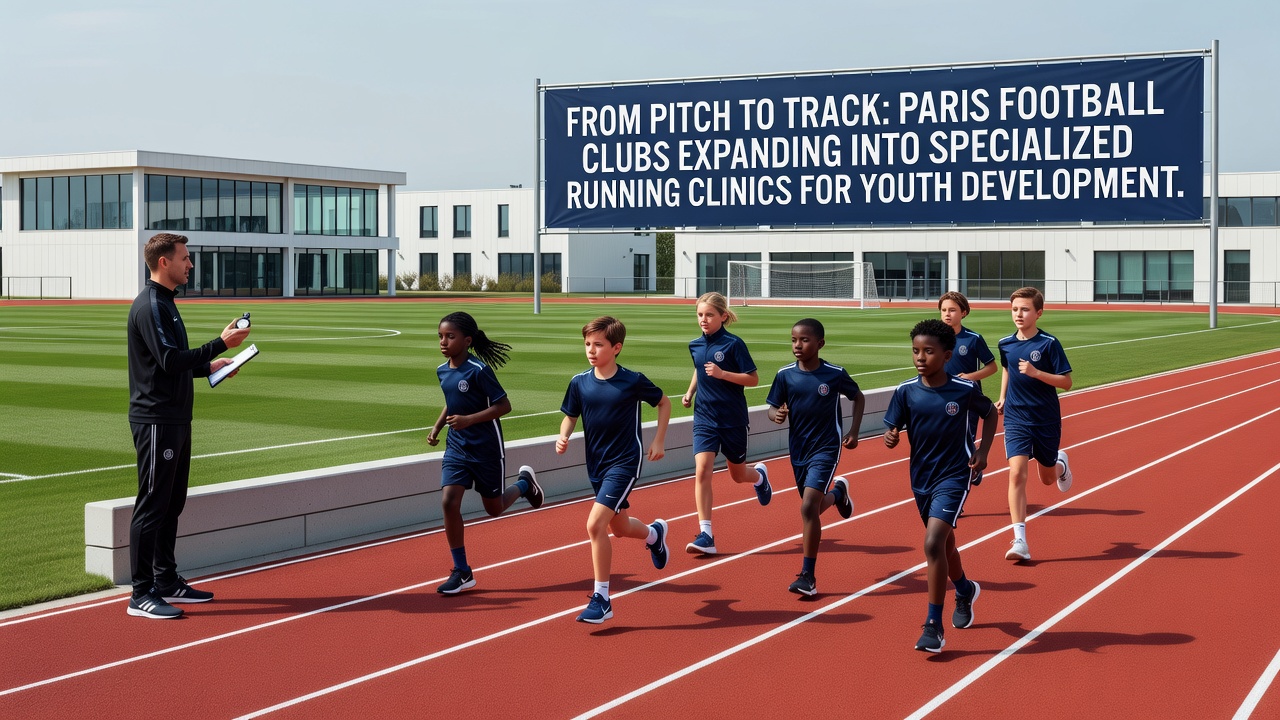
From Pitch to Track: Paris Football Clubs Expanding into Specialized Running Clinics for Youth Development
Paris football clubs have started integrating specialized running clinics into their youth development programs, shifting focus from pure football drills to structured athletics sessions that emphasize speed, endurance, and technique. Clubs such as Paris Saint-Germain, Paris FC, and Red Star FC now offer weekly track-based training for players aged 8 to 16, and these sessions complement regular pitch work rather than replace it. Data from the French Ministry of Sports shows participation in combined football and athletics programs has risen steadily since 2022, with Paris clubs accounting for a significant share of the increase.
Background on the Expansion
Football clubs across the capital have recognized that pure pitch training often leaves gaps in physical conditioning, so they have added running clinics that target biomechanics, interval training, and recovery protocols. Researchers at the University of Paris-Saclay have documented how young players who attend these clinics demonstrate measurable gains in sprint times and lower injury rates compared with those who train only on grass. The clinics operate in partnership with local athletics federations, which supply certified coaches and access to synthetic tracks at facilities like Stade Charléty and Stade Sébastien Charléty.
Observers note that the trend accelerated after the 2024 Olympic Games, when several Paris clubs reviewed performance data and decided that structured running work could improve on-pitch results. Sessions typically last 90 minutes and combine warm-up drills, technical running form exercises, and cool-down mobility work, while group sizes stay limited to 12 participants to allow individual feedback.
Program Structure and Schedule
Each clinic follows a progressive curriculum divided into three levels based on age and ability. Beginners focus on posture and basic stride mechanics, intermediate groups add hill sprints and tempo runs, and advanced participants work on race-pace simulations and competition-specific tactics. Training occurs on weekday evenings and Saturday mornings, with an optional Sunday recovery session that includes yoga and light jogging.
Clubs coordinate with schools to avoid conflicts with academic calendars, and they schedule additional blocks during school holidays. In August 2026 the programs will expand further when Paris FC opens a dedicated indoor track facility funded through a municipal grant, allowing year-round training regardless of weather.
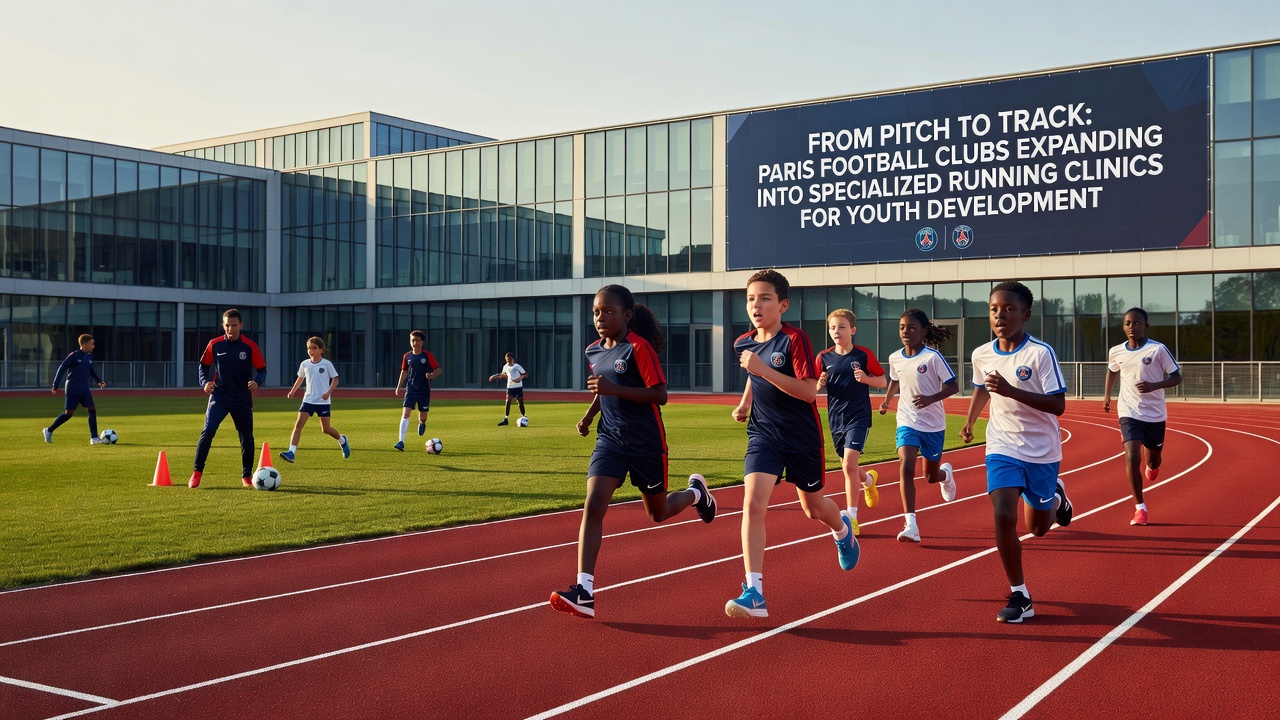
Parents receive monthly progress reports that include metrics such as 30-meter sprint times, heart-rate recovery, and perceived exertion scores. These reports help families track development and adjust training loads in consultation with club physiotherapists.
Evidence of Impact
Studies conducted by the French National Institute of Sport, Expertise, and Performance indicate that youth players who complete at least one full season of running clinics show a 15 percent improvement in repeated-sprint ability and a 22 percent reduction in hamstring injuries. Figures from the same institute also reveal that participants maintain higher attendance rates in regular football training, suggesting the clinics support overall engagement rather than creating burnout.
One program at Red Star FC has produced several athletes who later competed in regional athletics meets while remaining active in the club's under-15 football squad. Club officials report that these dual-sport athletes often display stronger decision-making on the pitch because improved aerobic capacity allows them to maintain concentration later in matches.
Partnerships and Funding
Paris clubs finance the clinics through a combination of membership fees, sponsorship from local running-shoe brands, and support from the Île-de-France regional council. The European Commission’s sport initiative has provided supplementary grants aimed at promoting multi-sport participation among children, and these funds have covered equipment purchases such as timing gates and portable hurdles. Clubs also collaborate with the Paris Athletics League to share coaching expertise and avoid scheduling clashes with official track competitions.
Training venues include both municipal tracks and club-owned facilities, which keeps costs manageable while giving participants access to high-quality surfaces. Several clubs have begun offering scholarship places for families who demonstrate financial need, ensuring the programs remain accessible across different socioeconomic groups.
Conclusion
Paris football clubs continue to refine their running clinics by incorporating feedback from participants, coaches, and medical staff. The addition of these specialized sessions reflects a broader shift toward holistic youth development that values physical literacy alongside technical football skills. As the 2026 season approaches, further expansions are planned, including cross-club competitions that combine track events with small-sided football matches. The approach provides young athletes with diversified training experiences while maintaining the core focus on football development that defines the city’s club system.