Paris Velodromes Shape Endurance Training in Suburban Youth Football Academies
Anna Washington · Sep 2, 2026
Paris Velodromes Shape Endurance Training in Suburban Youth Football Academies
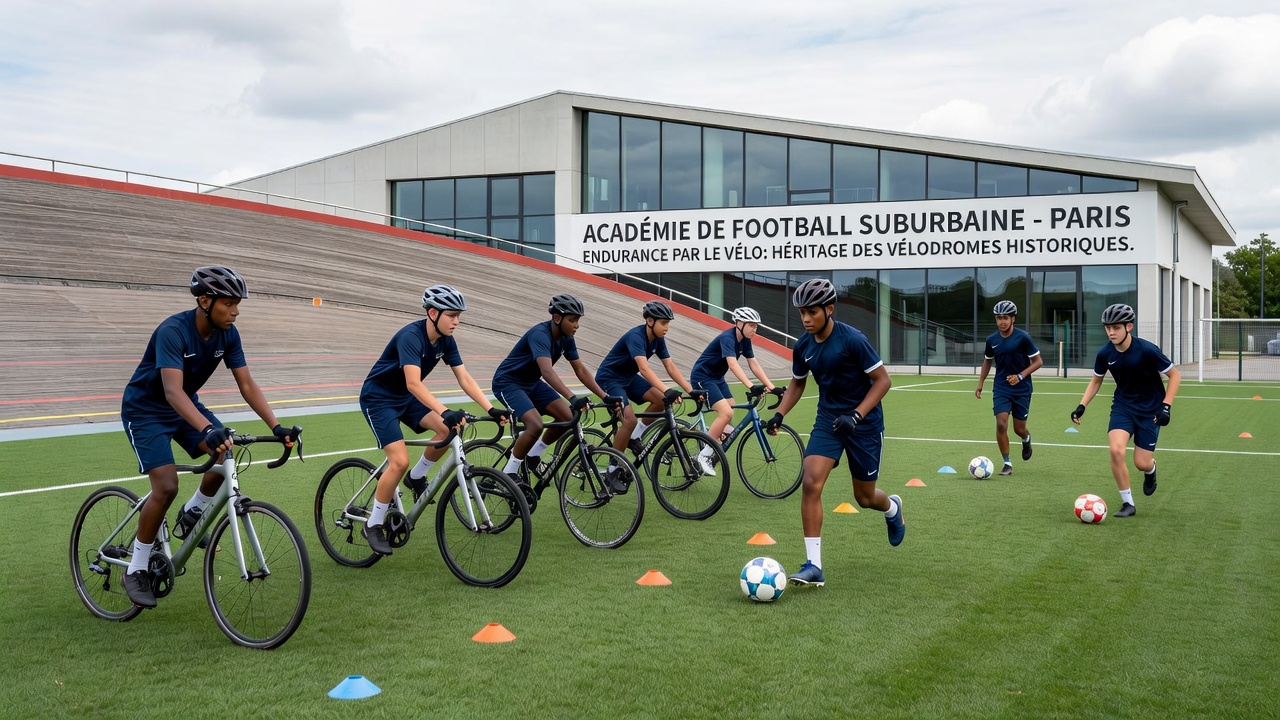
Paris holds several velodromes with long histories that date back to the late 19th and early 20th centuries, and these facilities continue to serve training purposes for various sports including football. Suburban youth academies located in areas such as Seine-Saint-Denis and Val-de-Marne have incorporated cycling sessions at these tracks to build aerobic capacity and leg strength among players aged 12 to 18. Data from regional sports programs show that academies scheduling weekly track time report higher average distances covered during matches compared to those relying solely on pitch-based conditioning.
Historic Velodromes and Their Continued Use
The Vélodrome de Vincennes opened in 1896 and hosted events during multiple Olympic Games while the nearby La Cipale track in the Bois de Vincennes provided an additional venue for structured cycling workouts. Observers note that these sites feature banked surfaces and measured distances that allow precise monitoring of effort levels during interval sessions. Academies transport groups by bus several times each month so players can complete repeated laps at controlled speeds that simulate the sustained running demands of football matches lasting 90 minutes or more.
Researchers at French sports institutes have documented how velodrome geometry supports progressive overload without the impact associated with repeated sprints on grass or artificial turf. Records from the Paris regional sports authority indicate that more than 40 youth football clubs now maintain formal agreements granting access during off-peak hours on weekdays. These arrangements expanded further after 2024 when additional funding supported lighting upgrades that extended usable training windows into evening periods.
Cycling Drills Adopted by Suburban Academies
Coaches design sessions that combine steady-state riding with short bursts of higher cadence to mirror the stop-start nature of football. One common protocol requires players to complete 8 repetitions of 3-minute efforts at 85 percent of maximum heart rate followed by 2-minute recoveries at easy pace. Academies track heart-rate data through wearable devices and adjust resistance on fixed-gear bikes provided by the velodrome management. Studies conducted by teh French National Institute of Sport, Expertise and Performance show such protocols improve VO2 max scores among adolescent athletes by measurable margins within an 8-week period.
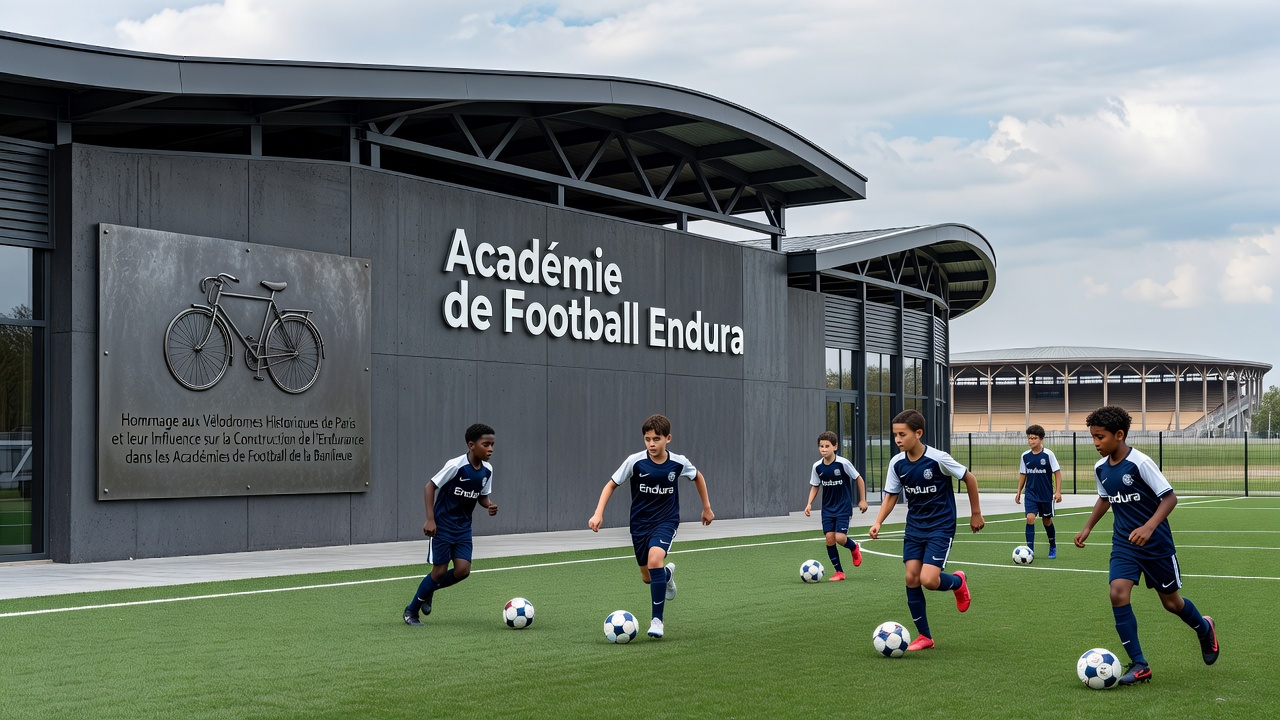
Programs also incorporate team-based challenges where groups ride in formation to practice pacing and communication skills that transfer directly to match situations. Academies report that players who complete these sessions exhibit reduced fatigue in the final 15 minutes of games according to match analysis software used across the region. September 2026 marks the launch of a coordinated calendar that will allow multiple academies to share track time on alternate Tuesdays and Thursdays reducing scheduling conflicts.
Measured Outcomes and Regional Data
Figures released by the Île-de-France sports development agency reveal that academies participating in velodrome programs recorded a 12 percent increase in total distance run per player during the 2025 season compared with baseline measurements from 2023. These gains appear most pronounced among midfielders who typically cover the greatest cumulative distance during matches. External evaluations by the European College of Sport Science have confirmed similar patterns in other cities that maintain historic cycling facilities and integrate them into team sports curricula.
Equipment remains standardized across participating clubs with each player using bikes fitted with power meters that record wattage output every 30 seconds. Coaches review these numbers during post-session debriefs and correlate them with GPS data collected on the football pitch the following day. The approach allows direct comparison between cycling power and running speed endurance without requiring additional testing days.
Future Developments Through 2026
Planning documents from the Paris regional council outline further investments in track resurfacing and additional storage for club-owned bikes at the Vincennes complex. These upgrades aim to accommodate growing numbers of suburban academies that have requested slots. Partnerships with local transport operators provide subsidized travel for teams traveling from outer suburbs which lowers logistical barriers that previously limited participation. Data collected through the end of 2025 already shows increased retention rates among players enrolled in multi-sport endurance modules that include cycling components.
Conclusion
Historic velodromes around Paris supply infrastructure that suburban youth football academies now use systematically to develop endurance through targeted cycling drills. Regional statistics and institute studies document improvements in player workload capacity and match performance metrics. Continued coordination scheduled for September 2026 will expand access further and support additional clubs seeking to adopt these methods. The combination of measured track environments and football-specific programming creates repeatable training opportunities that complement traditional pitch work.