Parisian Rowing Societies Along the Seine and Their Quiet Role in Shaping Multi-Sport Youth Pathways
Anna Washington · Aug 26, 2026
Parisian Rowing Societies Along the Seine and Their Quiet Role in Shaping Multi-Sport Youth Pathways
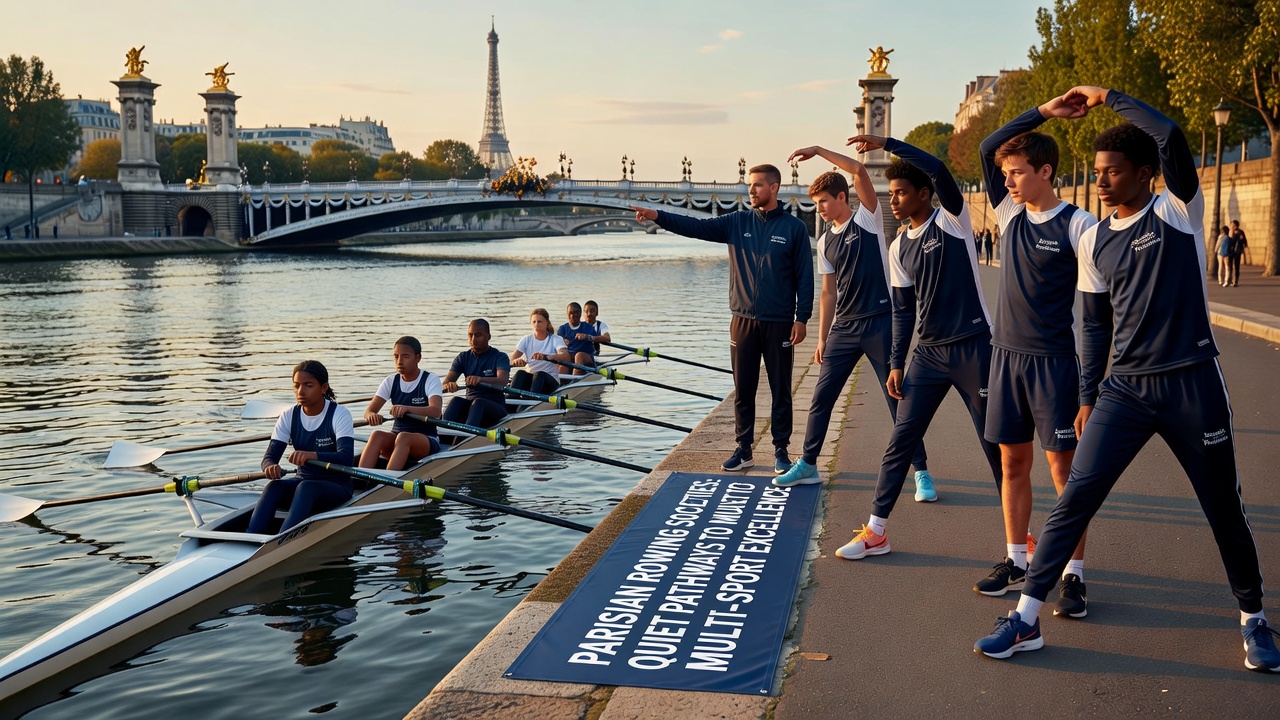
Rowing societies have operated along the Seine for generations and they maintain facilities that support structured youth programs focused on technique, endurance, and team coordination while many of these groups also integrate cross-training elements that feed into broader athletic development routes. Clubs such as the Cercle de l'Aviron de Paris and the Société d'Encouragement pour l'Aviron maintain boathouses near key river bends where daily sessions combine water work with land-based conditioning that includes running drills and strength routines. Data from the French Ministry of Sports shows steady enrollment growth in these programs between 2020 and 2025 with participation numbers rising by approximately 12 percent among athletes aged 12 to 18.
These organizations schedule sessions that align with school calendars and they coordinate with local secondary schools to offer after-class options that introduce rowing as an entry point rather than an endpoint. Observers note that athletes who begin in rowing societies frequently transition into cycling clubs or swimming teams because the cardiovascular base developed on the water transfers directly to those disciplines and this pattern appears in registration records kept by regional sports federations.
Historical Foundations and Current Operations
The Seine has hosted rowing activity since the mid-19th century and societies formed during that period still occupy the same stretches of riverbank today. Current operations rely on a network of volunteer coaches and certified instructors who deliver progressive skill modules that start with basic boat handling and advance to competitive racing distances. In August 2026 several clubs plan to host joint training camps that coincide with the European Rowing Junior Championships preparation window and these events will include scouting sessions for multi-sport talent identification.
Equipment sharing agreements exist between rowing societies and nearby athletics clubs so that youth participants gain access to track facilities during off-water days and this arrangement expands the range of movement patterns available to developing athletes. Figures released by the French Rowing Federation indicate that roughly one in four rowers aged under 20 also registers with at least one additional sport federation within two years of starting rowing.
Pathways Linking Rowing to Other Disciplines
Multi-sport routes emerge naturally from the conditioning demands of rowing and societies along the Seine have formalized partnerships that allow seamless movement between activities. For example a rower who develops strong aerobic capacity on the river may shift focus toward middle-distance running events during certain seasons while retaining rowing as a supplementary training method. Researchers at the University of Lyon documented similar patterns in a 2023 cohort study where participants who combined rowing with another endurance sport showed lower injury rates compared with single-sport specialists.
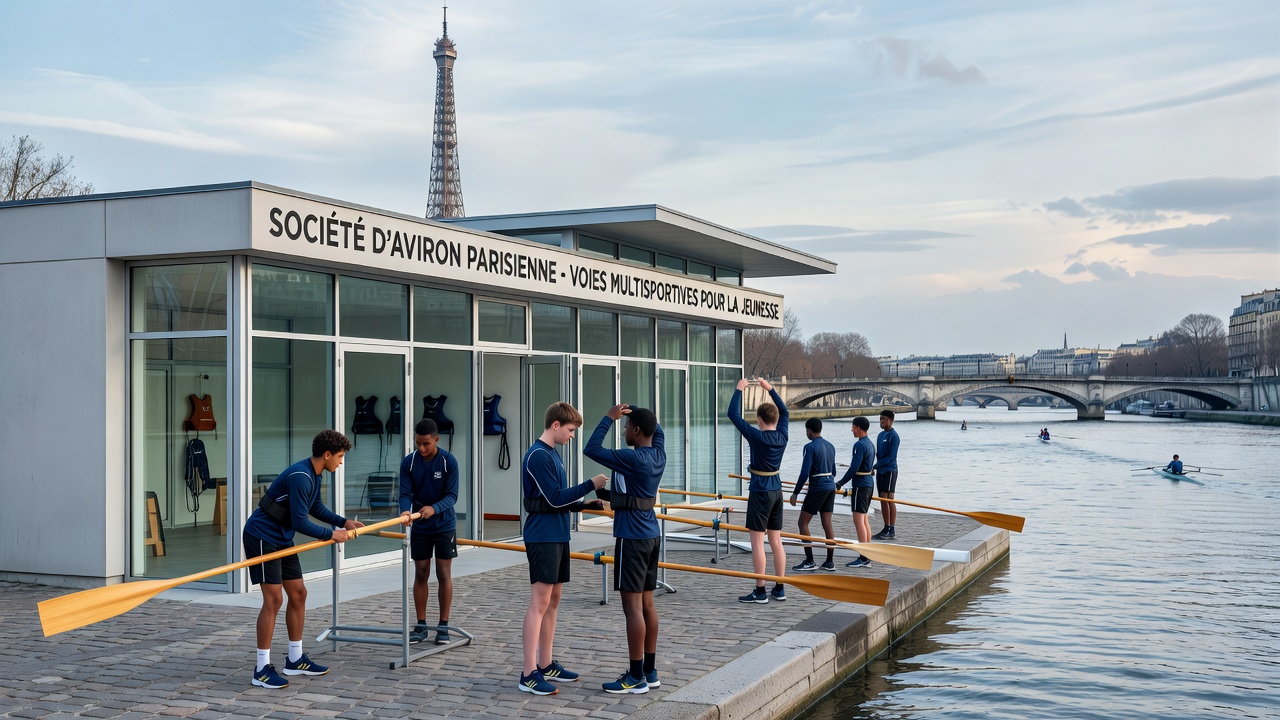
Coaches within these societies receive guidance on recognizing signs of readiness for sport transitions and they maintain contact lists for coaches in football academies, tennis clubs, and cycling teams. This network operates quietly through informal referrals rather than formal contracts and it has produced documented cases of athletes who began in rowing and later competed at national level in other events. Registration data collected by regional Olympic committees confirms that athletes with rowing backgrounds appear in higher proportions within triathlon and modern pentathlon squads than would be expected from population averages alone.
Training Structures and Seasonal Planning
Weekly schedules at Seine-based clubs typically allocate four days to water work and two days to complementary activities such as core stability sessions or interval running on adjacent paths. During summer months the societies adjust programming to accommodate longer daylight hours and they incorporate open-water safety modules that also apply to kayaking and stand-up paddleboarding programs run by partner organizations. August 2026 schedules already list several multi-sport taster days that will introduce rowing participants to fencing and shooting elements drawn from pentathlon pathways.
Equipment maintenance and boat allocation follow strict rotation systems that ensure equal access for all age groups and these systems reduce wait times while encouraging consistent attendance. Nutrition workshops offered through the clubs cover topics relevant across endurance sports and they draw on guidelines published by the European Olympic Committees to maintain consistency with broader youth development standards.
Conclusion
Seine rowing societies continue to function as quiet entry points into organized sport and their established infrastructure supports both rowing-specific excellence and lateral movement into other disciplines. Records kept by national federations demonstrate measurable crossover rates and the upcoming calendar for 2026 includes expanded opportunities for athletes to sample additional activities while remaining connected to their original rowing base. This model relies on longstanding riverfront facilities, coach networks, and seasonal planning that together sustain youth engagement across multiple sports without requiring athletes to abandon their starting discipline.