Paris's Urban Running Trails Enhancing Cross-Training for Tennis Players and Football Youth Academies
Ulrich Berger · Aug 22, 2026
Paris's Urban Running Trails Enhancing Cross-Training for Tennis Players and Football Youth Academies
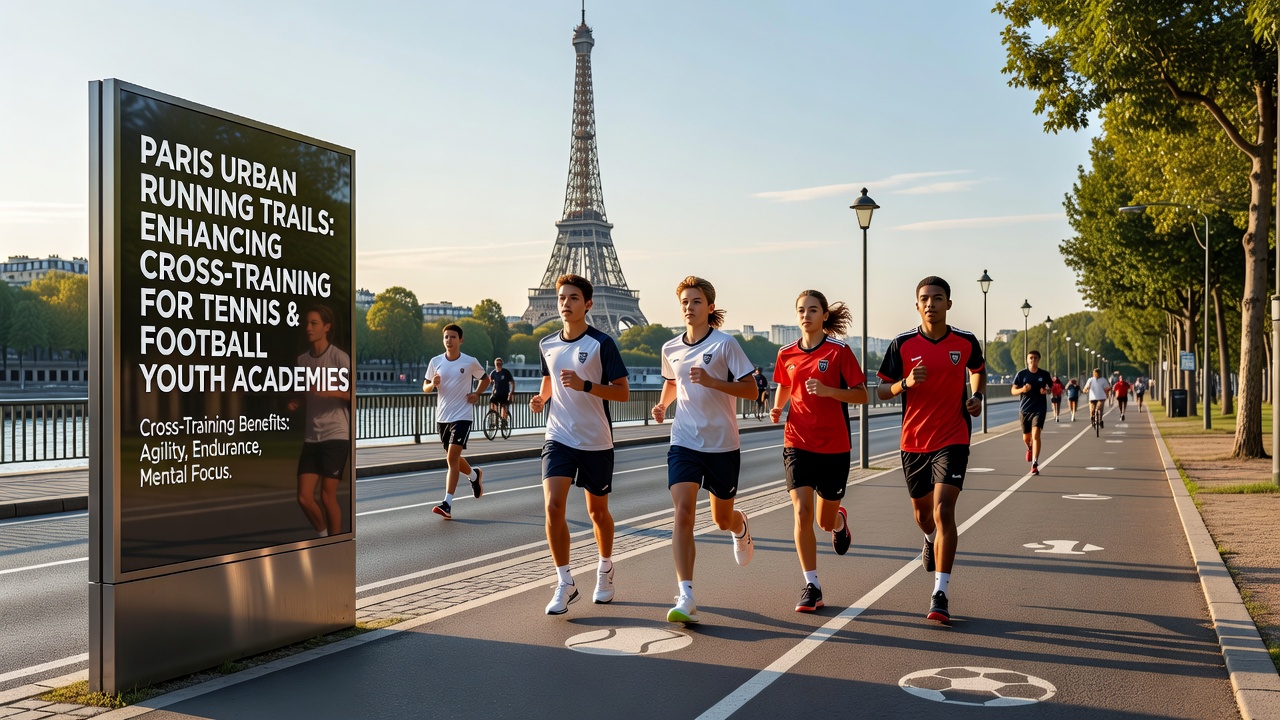
Paris maintains an extensive network of urban running trails that serve multiple sports programs, including those supporting tennis players and youth football academies, with pathways connecting major green spaces and riverfront routes. These trails span areas such as the Bois de Boulogne, the Promenade Plantée, and segments along the Seine, providing varied terrain that combines flat stretches with gentle inclines.
Trail Infrastructure and Accessibility
City planners developed these routes over several decades, incorporating dedicated paths that accommodate both recreational users and structured training sessions for academy groups. Data from the French Ministry of Sports indicates that over 120 kilometers of marked trails exist within the city limits, many equipped with distance markers and lighting for evening use. Tennis players often access these trails near facilities like Roland Garros, while football academies in districts such as the 19th arrondissement integrate trail runs into weekly schedules.
August 2026 marks the scheduled expansion of the Seine riverfront trail system, adding 15 kilometers of new surfaced paths designed to reduce congestion during peak training hours. This update aligns with ongoing efforts to link existing green corridors, allowing continuous loops that range from 5 to 20 kilometers in length.
Cross-Training Applications for Tennis
Tennis training programs in Paris incorporate trail running to build cardiovascular endurance and lower-body resilience, since matches frequently extend beyond two hours. Observers note that players from clubs affiliated with the French Tennis Federation schedule interval runs on the undulating paths of the Bois de Vincennes, alternating between steady paces and short bursts. Research conducted at the National Institute of Sport, Expertise, and Performance shows that athletes who add trail sessions three times per week improve recovery times between points during on-court drills.
Coaches coordinate these activities with technical sessions, ensuring that trail work complements agility ladder exercises and court-specific footwork. The varied surfaces on Paris trails, including packed gravel and rubberized sections, help reduce repetitive impact compared with constant hard-court exposure.
Integration with Football Youth Academies
Youth football academies across the Paris region use the same trail network to develop aerobic capacity and mental stamina in players aged 12 to 18. Academies associated with professional clubs such as Paris Saint-Germain and Red Star FC send groups to the Promenade Plantée for structured runs that emphasize pace control and group cohesion. Figures released by the Paris Ile-de-France Regional Directorate of Youth, Sports and Social Cohesion reveal that more than 4,500 academy participants logged trail sessions during the 2025 season.
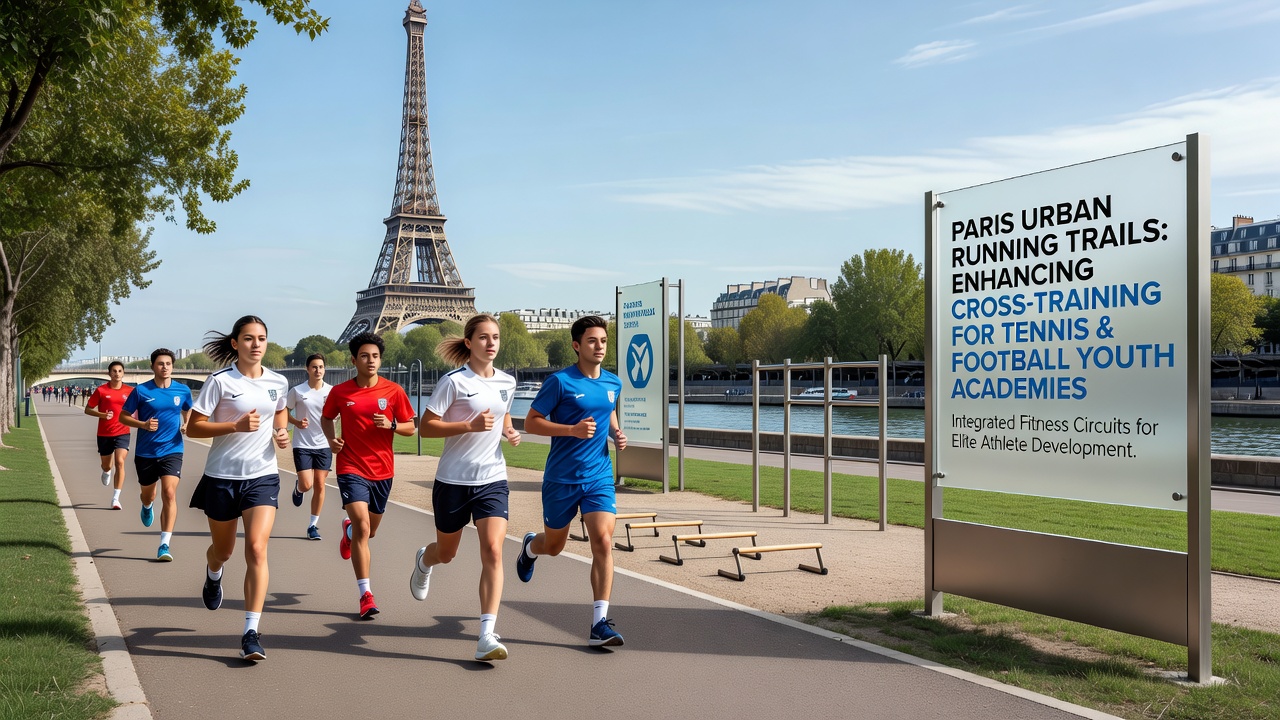
These sessions typically combine steady-state runs with hill repeats on the artificial mounds constructed near the Bois de Boulogne perimeter. Academy staff track heart-rate data during runs, adjusting intensity based on individual player profiles collected through wearable devices. The approach supports the transition from junior to senior competition levels, where match durations increase and recovery windows shorten.
Shared Training Protocols and Scheduling
Joint programs between tennis centers and football academies have emerged along shared trail segments, allowing mixed groups to train under similar conditions. Such collaboration occurs primarily on weekday mornings before facility bookings peak, with route maps distributed through digital platforms managed by the City of Paris Sports Department. According to records from the European Commission sport policy unit, coordinated cross-training initiatives in urban settings like Paris have expanded by 22 percent since 2023.
Trail maintenance crews resurface high-traffic sections twice annually, ensuring consistent footing that minimizes injury risk across both sports. Lighting upgrades completed in 2025 now cover 85 percent of the primary network, extending usable hours during winter months when daylight is limited.
Conclusion
Paris continues to refine its urban trail system as a practical resource for tennis players and football youth academies seeking structured cross-training options. The combination of accessible routes, scheduled expansions in August 2026, and data-supported protocols maintains the network's role in athlete development across disciplines. Additional details on trail maps and academy partnerships appear on official municipal resources.