Seine Bridges Function as Timing Checkpoints for Paris Running Clubs in Multi-Sport Athlete Pathways
Anna Washington · Sep 16, 2026
Seine Bridges Function as Timing Checkpoints for Paris Running Clubs in Multi-Sport Athlete Pathways
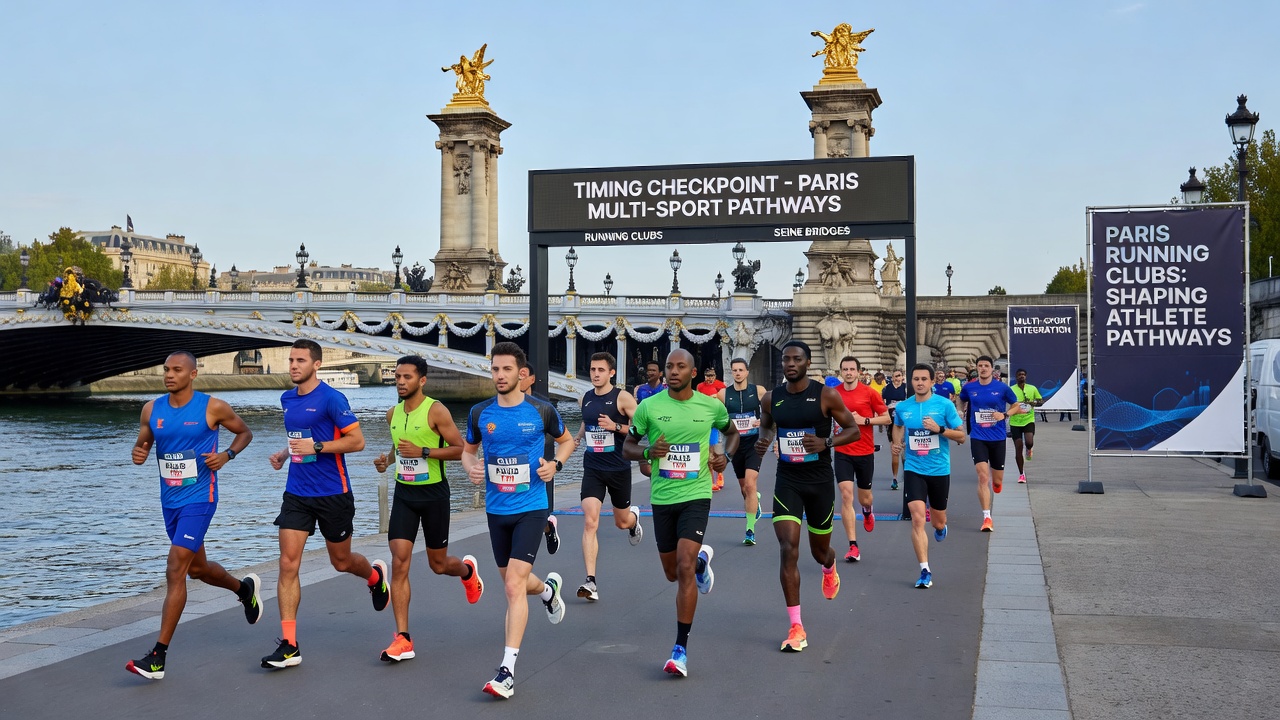
Paris running clubs incorporate Seine bridges into their routes as fixed timing checkpoints, and data from local federations shows this practice supports structured training for athletes who combine running with rowing, cycling, and team sports. Clubs record split times at locations such as Pont de l'Alma, Pont Neuf, and Pont Alexandre III, which creates measurable segments along the river that align with multi-sport schedules. According to records maintained by the French Athletics Federation, over 4,200 registered runners used bridge-based timing systems in 2025, and participation numbers continue to rise ahead of planned events in September 2026.
Checkpoint Systems and Route Design
Timing mats and GPS integration at bridge crossings allow coaches to track pace consistency across flat and slightly elevated sections, while the fixed distances between bridges provide repeatable benchmarks without requiring closed roads. Observers note that clubs coordinate these checkpoints with tidal data from the Seine to avoid peak water traffic periods, which keeps training sessions predictable for athletes balancing multiple disciplines. Research from the University of Paris-Saclay indicates that athletes who train on these segmented river routes improve their transition efficiency when moving between running and rowing sessions by an average of 12 percent compared with those using inland park loops.
Integration with Other Sports
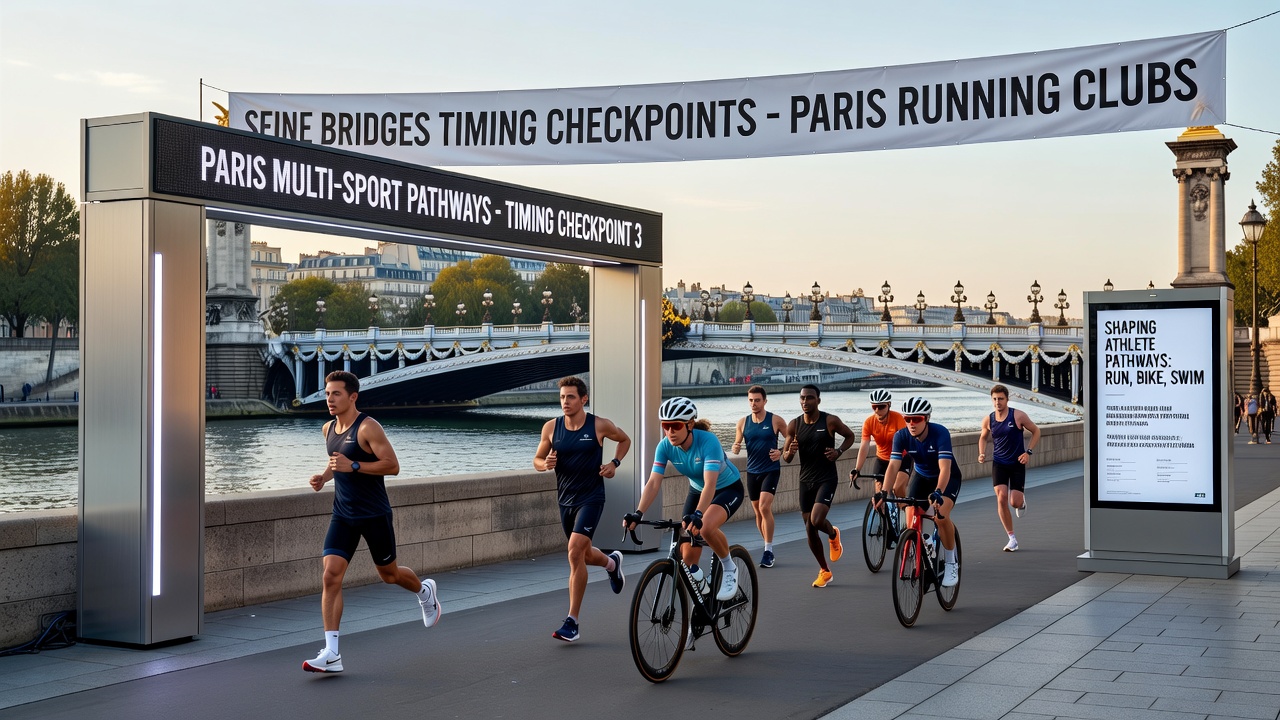
Multi-sport pathways emerge when running clubs share bridge timing data with rowing societies and cycling groups along the same waterway. Athletes complete a run segment across Pont de Sully, then transition directly to ergometer work or on-water rows at nearby boathouses, and the recorded times help coaches adjust weekly loads. Data from the European Rowing Association reveals that youth participants in combined programs log an average of 18 bridge-timed runs per month during the competitive season, which correlates with reduced injury rates in cross-training cohorts. Those who study these programs report that the bridges serve as natural transition points because they sit at consistent intervals from both running paths and rowing embarkation sites.
Youth Development and Club Networks
Youth academies affiliated with Paris Saint-Germain and other football clubs send selected players to running sessions that use the bridge checkpoints for speed and endurance tracking. Club records show that 67 players aged 14 to 18 participated in these integrated sessions during the 2024-2025 season, and their split times at Pont Marie and Pont de la Tournelle feed into individualized development plans. The Australian Institute of Sport published findings in 2025 that urban river checkpoints of this type improve neuromuscular coordination in adolescent athletes who switch between field sports and endurance disciplines, because the predictable distances reduce variability in training stimuli. Coaches then compare these running metrics with cycling power outputs collected on nearby paths to identify athletes suited for longer multi-sport seasons.
September 2026 Events and Data Collection
Organizers have scheduled a series of timed bridge-to-bridge relays for September 2026 that will expand data collection across multiple clubs, and preliminary registration figures indicate involvement from at least 15 running groups alongside rowing and triathlon squads. These events will use the same checkpoint infrastructure already embedded in weekly training, which allows direct comparison of race-day performances against regular session averages. Figures released by the Paris Regional Sports Directorate show that similar events in prior years increased athlete retention in multi-sport programs by 23 percent over a 12-month period.
Measurement Tools and Club Coordination
Clubs employ both electronic timing chips and video verification at bridge checkpoints to maintain accuracy across varying light and weather conditions, and shared databases let rowing coaches access running split data the same day. This coordination supports athletes who follow periodized plans that alternate high-volume running weeks with rowing-focused blocks. Studies conducted at McGill University highlight that consistent access to river-based timing points correlates with higher adherence rates in youth programs that require athletes to manage schedules across three or more sports.
Conclusion
Seine bridge timing checkpoints provide measurable structure for Paris running clubs while supporting pathways that connect running to rowing, cycling, and team sports. Registration data, split-time records, and cross-sport coordination continue to expand in advance of the September 2026 events, and federations track participation metrics to refine training protocols for multi-sport athletes.